#MentalHealthAwarenessMonth
Mental Health Awareness Month is a great time to open up conversations at home. But here’s the key: this shouldn’t feel like a “big serious talk.”
The goal is to make mental health part of everyday life, normal, safe, and judgment-free.
Start Simple and Age-Appropriate
Young kids don’t need clinical terms, they need language they understand.
Ages 3–7:
Talk about feelings like “happy,” “sad,” “mad,” or “scared.”
“What made you feel happy today?”
Ages 8–12:
Introduce stress, worry, and coping skills.
“What do you do when something feels overwhelming?”
Teens:
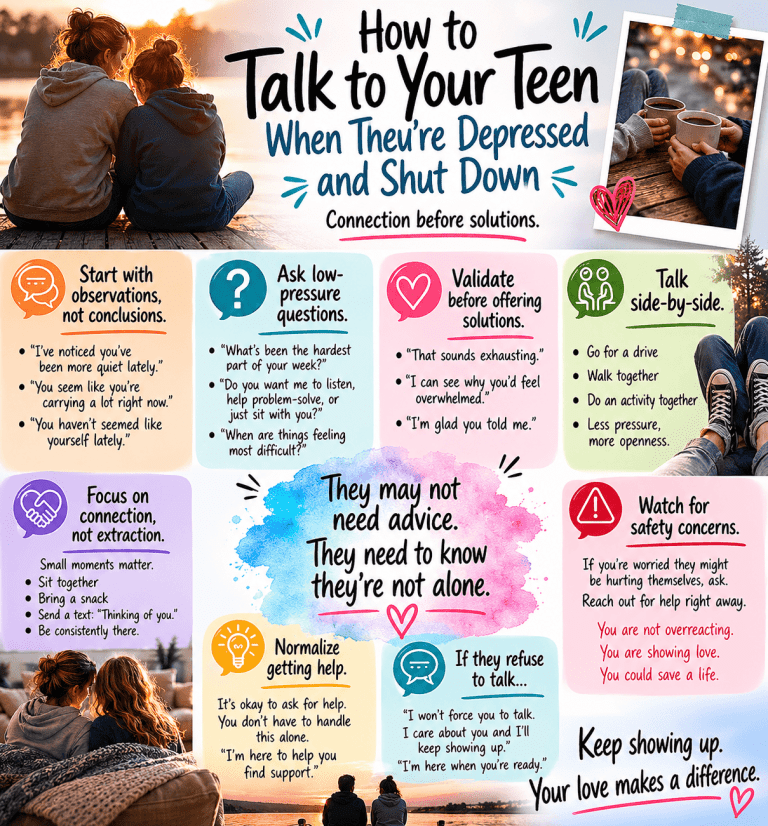
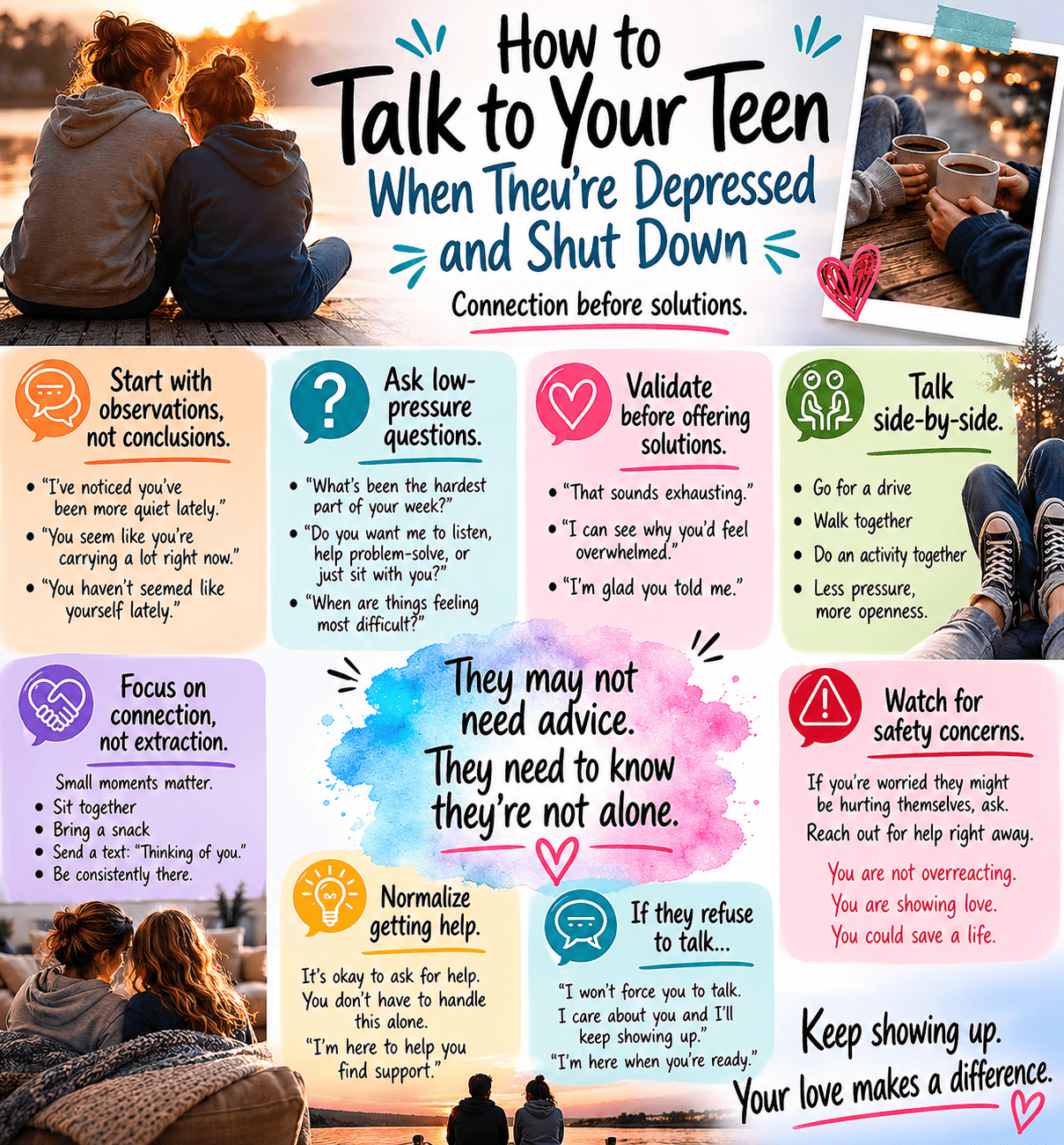
Be more direct about anxiety, depression, and social pressure.
“A lot of teens feel stressed—how has it been for you lately?”
Listen More Than You Talk
Kids shut down quickly if they feel judged or corrected.
Let them finish their thoughts, even if they’re messy
Avoid jumping in with solutions right away
Reflect back:
“That sounds really frustrating”
You’re building trust, not fixing everything in one conversation
Make it clear that mental health is just like physical health.
“Everyone has feelings, and they change”
“It’s okay to not feel okay sometimes”
Share your own (appropriate) experiences:
“I felt really stressed today, so I took a walk”
This teaches kids that emotions are manageable—not scary.
Teach Coping Skills Early
Give them tools, not just awareness.
Deep breathing or quiet time
Physical activity (walking, sports)
Creative outlets (drawing, music, journaling)
Even simple habits build resilience over time.
Keep the Door Open
This matters more than saying the “perfect” thing.
Remind them often:
“You can always talk to me, no matter what
Don’t force conversations; create opportunities (car rides, bedtime, meals)
Revisit the topic regularly, one talk isn’t enough
Reach out for help in how to address mental health issues with your family and children
Immediate Help & Crisis Lines
988 Suicide & Crisis Lifeline: Call or text 988
Crisis Text Line: Text HOME to 741741
Veterans Crisis Line: Call 988 then press 1, or text 838255
Disaster Distress Helpline: 1-800-985-5990
The Trevor Project (LGBTQ youth): 1-866-488-7386 or text START to 678-678. [1, 2, 3, 4, 5]